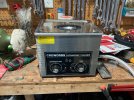
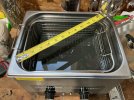
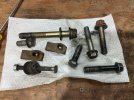
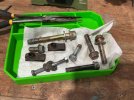
I recently bought a small ultrasonic cleaner for my workshop, mainly to clean metal tools and carburetor parts, and I’m honestly impressed with the results. Items that normally take 20 minutes of brushing come out nearly spotless after just a few cleaning cycles.
I’ve also used it for watch bands, coins, dental tools, and even old screws covered in grease. Warm water with a little cleaning solution seems to work best. One thing I learned quickly: avoid putting delicate painted parts or soft plastics inside for too long.
Noise level is acceptable, though the cheaper models can sound a bit harsh. Capacity matters more than I expected too — if you plan to clean larger components, get a bigger tank from the start.
For anyone doing mechanical work, electronics repair, or hobby restoration, an ultrasonic cleaner is definitely worth considering.
I’ve also used it for watch bands, coins, dental tools, and even old screws covered in grease. Warm water with a little cleaning solution seems to work best. One thing I learned quickly: avoid putting delicate painted parts or soft plastics inside for too long.
Noise level is acceptable, though the cheaper models can sound a bit harsh. Capacity matters more than I expected too — if you plan to clean larger components, get a bigger tank from the start.
For anyone doing mechanical work, electronics repair, or hobby restoration, an ultrasonic cleaner is definitely worth considering.


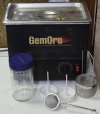


 Had to use it with care. I have bought a few since it fried (transducer overheated, fried board), but have yet to find one that works half as well since. I don't know if there are some kind of standards or regulations to limit power or something, but it's frustrating.